I kept saying 'I’ll just wait and see'—this health app gave me the clarity to finally act
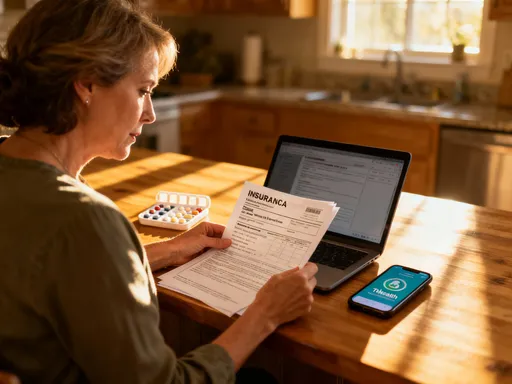
How many times have you postponed a doctor’s visit, hoping your symptoms would just go away? I’ve been there—until a quiet moment at home, staring at my phone, I discovered a health consultation platform that didn’t just answer my questions, but helped me understand them. It wasn’t magic, but it felt like having a calm, knowledgeable friend by my side. I remember sitting on the couch after the kids were asleep, one hand wrapped around a cooling cup of tea, the other scrolling through yet another vague article online. My shoulder had been aching for weeks—deep, dull, persistent—but I kept brushing it off. Work was busy. The kids needed me. Surely it was just stress, right? This is how I stopped guessing and started making confident decisions about my health.
The Moment I Realized I Was Avoiding My Own Health
It wasn’t one dramatic moment that made me wake up—it was the quiet accumulation of small things. The way I’d pause mid-laugh because my chest tightened. How I started avoiding lifting grocery bags, then pretending I didn’t notice. I’d lie in bed, heart racing for no reason, and tell myself, 'It’s just hormones. It’s just exhaustion. It’ll pass.' Sound familiar? I think most of us, especially women in our 30s, 40s, and beyond, have been trained to put ourselves last. We’re the planners, the caregivers, the ones who make sure everyone else is fed, rested, and seen. But who’s checking in on us?
I wasn’t avoiding the doctor because I didn’t care. I was avoiding it because I was afraid—afraid of bad news, afraid of wasting time, afraid of being told I was overreacting. And honestly, I didn’t know where to even start. Should I call my general practitioner? An orthopedic specialist? A cardiologist? The uncertainty alone was exhausting. I kept thinking, 'If it were serious, wouldn’t it hurt more? Wouldn’t something obvious happen?' But deep down, I knew I was gambling with my own well-being. Every day I waited felt like another brick in a wall between me and the truth about my body. I wasn’t just ignoring symptoms—I was ignoring myself.
What finally broke through wasn’t a crisis, but a quiet realization: I was treating my health like a side project. And that had to change. I didn’t need a dramatic wake-up call. I just needed a way to make sense of what I was feeling—without panic, without judgment, and without having to take a half-day off work just to ask a simple question.
Discovering a Platform That Felt Different
It started with a simple search: 'left shoulder pain and fatigue.' I wasn’t expecting much—just another list of scary possibilities ranked by how likely they were to kill me. But instead, I found a health consultation platform that looked… different. Clean. Calm. No flashing banners, no 'Get your miracle cure now!' nonsense. Just a simple box that said, 'Describe what you’re feeling.' I hesitated. Was this just another app trying to sell me supplements or insurance? I’d been burned before by tools that promised answers but delivered anxiety.
But something about the tone felt trustworthy. The language wasn’t clinical or cold. It didn’t make me feel like a collection of symptoms. It asked gentle follow-up questions: 'How long has this been going on?' 'Does the pain get worse with movement?' 'Have you noticed changes in your sleep or energy levels?' It wasn’t demanding. It was listening. And within minutes, I had a summary—not a diagnosis, but a thoughtful overview of possible causes, ranked from most common to least, with clear explanations in plain language. No Latin terms. No jargon. Just real, understandable insights.
That night, for the first time in weeks, I slept without Googling at 2 a.m. The platform hadn’t cured me, but it had done something just as important: it had given me clarity. I wasn’t being dramatic. I wasn’t imagining things. My symptoms made sense in context. And more importantly, I had a starting point—a way to talk to my doctor that didn’t start with 'I don’t know, I just feel off.'
How It Helped Me Make Sense of My Symptoms
One of the hardest parts of dealing with health concerns is the fog. You feel something’s wrong, but you can’t explain it—not to your doctor, not to your partner, not even to yourself. You end up using words like 'weird' or 'off' because there’s no better way to describe it. That’s where this platform made all the difference. It didn’t tell me what was wrong. Instead, it helped me understand what might be going on, and why.
For example, when I mentioned my shoulder pain and fatigue, it didn’t jump to 'heart attack' or 'cancer' like so many online searches do. Instead, it gently suggested common possibilities—like muscle strain from poor posture, or inflammation from overuse. But it also asked about other factors: my stress levels, sleep quality, recent changes in routine. When I mentioned I’d been under a lot of pressure at work and hadn’t been sleeping well, it connected those dots. 'Stress and fatigue can amplify physical discomfort,' it explained. 'What feels like a shoulder issue might be your body’s way of signaling overall burnout.'
That sentence hit me like a light switch. I wasn’t broken. I wasn’t sick in a scary way. I was overwhelmed. And my body was speaking up. The platform didn’t replace my doctor—it prepared me to have a real conversation with one. When I finally made the appointment, I didn’t walk in saying, 'Something’s wrong.' I walked in saying, 'Here’s what’s been happening, here’s what I’ve noticed, and here’s what I’ve learned.' That shift—from vague worry to informed concern—changed everything.
From Overwhelm to Informed Decisions
Before this, my health decisions were either reactive or avoidant. I’d either ignore things until they got worse, or panic and book an urgent appointment for something minor. There was no in-between. But this platform introduced me to something I didn’t know I needed: decision support. It didn’t tell me what to do. It helped me figure out what made sense.
After my initial symptom check, it offered clear next steps: 'Monitor the pain for two weeks. Try gentle stretching and improved sleep hygiene. If symptoms persist or worsen, consult your doctor.' It even flagged red flags—like sudden chest pain or shortness of breath—so I knew when to seek immediate care. That structure was a game-changer. I wasn’t left wondering, 'Should I call someone?' I had a plan. And that plan came with peace of mind.
I remember one evening, my husband noticed I was rubbing my shoulder again. 'You okay?' he asked. Instead of brushing it off, I said, 'Actually, I’ve been tracking this. It’s likely muscle tension from sitting at the computer too long. I’m doing some stretches and adjusting my chair. If it doesn’t improve in ten days, I’ll call the doctor.' He looked surprised—then relieved. 'That’s… really responsible,' he said. And it was. But more than that, it felt empowering. I wasn’t just managing a symptom. I was taking care of myself—calmly, thoughtfully, and with real information.
Sharing It With My Family—And Seeing Real Change
Once I saw how much this tool helped me, I started thinking about my family. My husband had been complaining of constant fatigue, but he kept saying, 'I’m just getting older.' My mom was adjusting her blood pressure medication and had questions she didn’t want to 'bother' her doctor with. I realized this wasn’t just for me—it could help all of us stay on top of our health without unnecessary stress.
I showed my husband how to use the symptom checker. He typed in 'tired all the time, even after sleep.' The platform asked about his diet, activity level, and stress. It gently suggested possible contributors—like low iron, sleep apnea, or vitamin D deficiency—and recommended he discuss blood work with his doctor. He didn’t get a diagnosis, but he got direction. Two weeks later, he went in for a check-up and discovered his vitamin D was indeed low. A simple supplement, better sunlight exposure, and within a month, he had more energy than he’d had in years.
With my mom, it was about confidence. She’d been hesitant to ask her doctor about a new medication side effect, afraid she was overreacting. But after using the platform to explore common reactions, she felt prepared. 'I’m not questioning my doctor,' she told me. 'I’m just coming in with better questions.' That’s exactly the balance I love—respecting medical expertise while empowering us to be active participants.
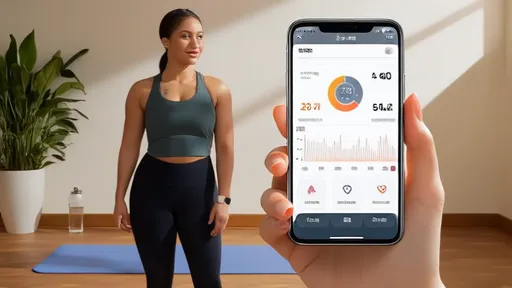
Now, it’s become part of our family routine. When someone feels off, we don’t spiral into worst-case scenarios. We take a breath, open the app, and get a grounded perspective. It’s not a substitute for care—it’s a bridge to it. And in a world where health anxiety is so common, that bridge feels like a lifeline.
What Makes This Technology Feel Human
One of the things I appreciate most is how human this platform feels. It doesn’t talk down to me. It doesn’t scare me. It doesn’t make me feel like a data point. The language is warm, clear, and respectful. When I type in a symptom, it responds like someone who’s really listening—not rushing to label me, but trying to understand.
I later learned that real doctors and medical researchers helped design it. The AI is guided by clinical guidelines and real-world data, but it’s built to support, not replace, human judgment. There’s no algorithm pushing me toward a paid service. No hidden agenda. Just thoughtful, evidence-based information delivered with empathy.
Little design choices make a big difference. It uses natural language—so I can type 'I feel drained all the time' instead of searching for medical terms. It asks follow-up questions that feel intuitive, like a doctor would in a relaxed visit. And it never uses fear-based language. No 'You could be at risk!' or 'Don’t ignore this warning sign!' Instead, it says things like, 'This is common and often manageable. Here’s what you can do next.'
That tone matters. It changes the entire experience from one of anxiety to one of support. It reminds me that my body is not an enemy. It’s a system that’s trying to communicate. And with the right tools, I can learn to listen.
Why This Isn’t Just Convenience—It’s Empowerment
At first, I thought this platform was just a time-saver. A quicker way to get answers without waiting weeks for an appointment. But over time, I realized it’s giving me something deeper: confidence. The confidence to trust my instincts. The confidence to speak up. The confidence to take action before small issues become big ones.
Being empowered doesn’t mean doing everything on my own. It means being prepared. It means walking into a doctor’s office with questions, not just fears. It means understanding my body well enough to know when to monitor, when to act, and when to rest. That kind of knowledge isn’t just useful—it’s freeing.
I’ve also reclaimed time and energy. No more late-night symptom searches that leave me more confused and anxious. No more showing up to appointments unprepared. I’m not wasting my doctor’s time with vague concerns. I’m using it wisely. And in return, I get better care—because the conversation starts from a place of clarity, not panic.
This shift has rippled into other parts of my life. When I feel in control of my health, everything else feels more manageable. I’m more present with my family. I’m more patient. I’m less reactive. Taking care of myself isn’t selfish—it’s the foundation for everything else I do.
A Calmer, Smarter Way to Care for Yourself
Looking back, I realize how much I was giving up by staying in 'wait and see' mode. I was trading short-term comfort for long-term uncertainty. I was letting fear make my decisions. But that changed the moment I found a tool that helped me understand my body, not fear it.
The best technology doesn’t shout for attention. It doesn’t dazzle with features or promise miracles. It simply fits into your life, quietly making things easier. It settles your nerves. It sharpens your thinking. It gives you the clarity to act—without drama, without guilt, without delay.
Today, I don’t see myself as a patient waiting to be fixed. I see myself as someone who’s learning to care for her body with intention and kindness. I’m not perfect. I still have busy days. I still forget to stretch or drink enough water. But now, when something feels off, I don’t ignore it. I check in. I gather information. I make a plan.
That small shift—from avoidance to awareness—has changed everything. Because when you stop guessing, you start living with more confidence. When you stop fearing your symptoms, you start understanding your strength. And when you finally act, you realize you’ve had the power all along. This isn’t just about health. It’s about showing up for yourself—every single day.