You Gotta See These Hidden Corners of Asunción—My City Check-In
Stepping into Asunción feels like flipping through the pages of a living storybook—each district its own chapter. I recently checked in to explore the city beyond the guidebooks, and honestly, I was blown away. From colonial charm to vibrant street art, every neighborhood has a pulse, a personality. This isn’t just a capital city; it’s a mosaic of cultures, flavors, and rhythms waiting to be discovered. The air carries the scent of freshly baked chipa, the sound of Guarani murmured in quiet corners, and the gentle hum of life unfolding at a pace that invites you to slow down and truly see. Asunción doesn’t shout for attention—it whispers, and those who listen are rewarded with moments of quiet beauty and deep connection.
Arrival & First Impressions: Touching Down in Asunción
Arriving at Silvio Pettirossi International Airport, located just outside the capital in Luque, the first thing that strikes you is the ease. There’s no overwhelming rush, no labyrinthine terminals—just a calm, efficient flow that sets the tone for what’s to come. As the taxi pulls onto the highway toward Asunción, the landscape unfolds gradually: patches of green, clusters of modest homes, and the occasional flash of color from roadside fruit stands. The city doesn’t explode into view; it reveals itself, layer by layer, like a well-kept secret.
Asunción sits gracefully along the eastern bank of the Paraguay River, a natural border that has shaped its history and identity. The river is more than geography—it’s a lifeline, a mirror reflecting the sky at dawn and a companion to the city’s daily rhythm. From the road, you catch glimpses of its wide, slow-moving waters, dotted with small boats and bordered by stretches of natural shoreline. The city’s layout is linear, stretching north to south along the river, with neighborhoods rising gently into the hills behind the center.
What stands out most in those first moments is the city’s energy—or rather, its lack of franticness. Asunción moves with intention, not haste. People walk with purpose but without tension. Drivers honk rarely, and even the busiest intersections feel orderly. It’s a city that breathes. This measured pace isn’t laziness; it’s a cultural rhythm rooted in warmth, family, and a deep appreciation for the present moment. For visitors accustomed to the constant buzz of global metropolises, this calm can feel like a gift.
The Heartbeat of History: Exploring Historic Downtown (Manzana de la Rivera)
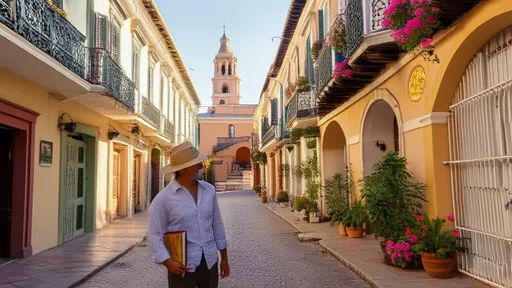
At the core of Asunción lies its soul—the historic downtown, anchored by the Manzana de la Rivera. This restored city block is a triumph of preservation, where colonial architecture has been lovingly revived to tell the story of Paraguay’s past. Walking through its courtyards and arcades feels like stepping into the 18th century, yet with the comforts and curiosity of the present. Once home to Jesuit families and colonial elites, the site now houses museums, cultural centers, and open-air plazas where children play and elders sip tereré under the shade of ancient trees.
Just steps away is the Plaza de los Héroes, a grand square flanked by neoclassical buildings that house the National Congress and other government institutions. The statue of Francisco Solano López, a controversial yet pivotal figure in Paraguayan history, stands tall in the center. This is not a place frozen in time, but one where history is engaged with—debated, remembered, and reinterpreted. School groups gather here for lessons, families picnic on weekends, and tourists pause to take in the symmetry of the architecture and the weight of the stories embedded in the stone.
What makes this area truly special is how seamlessly the past blends with daily life. A colonial-era building might house a modern café where young professionals sip coffee beneath wooden beams that have stood for centuries. Small museums, like the Museo del Barro, offer intimate glimpses into indigenous art, colonial artifacts, and contemporary Paraguayan creativity. There’s no forced nostalgia—just a natural coexistence of eras, where tradition isn’t preserved behind glass but lived and reimagined.
Modern Pulse in Las Carmelitas & Villa Morra
If the historic center is Asunción’s heart, then Las Carmelitas and Villa Morra are its modern lungs—neighborhoods where the city inhales fresh ideas and exhales innovation. These districts sit just north of the center, nestled in the hills with sweeping views of the river. Here, sleek high-rises rise beside tree-lined streets, and luxury apartments share space with boutique hotels, co-working spaces, and cosmopolitan dining spots. It’s a world away from the colonial quiet, yet still distinctly Asunción.
Villa Morra, in particular, has become a magnet for young professionals, entrepreneurs, and expatriates. The streets buzz with a refined energy—women in tailored dresses sip matcha lattes, business meetings unfold over empanadas and craft beer, and cyclists weave through traffic with ease. Shopping here is an experience: from high-end fashion boutiques to concept stores selling handmade leather goods and organic skincare. It’s not about excess, but about quality, design, and a growing appreciation for sustainable living.
Yet, modernity here doesn’t erase local character. Urban green spaces like the Parque de la Salud offer jogging paths, outdoor gyms, and shaded benches where families gather. Restaurants serve both international cuisine and elevated versions of Paraguayan staples—think grilled chipa with truffle oil or sopa paraguaya reimagined as a gourmet appetizer. The balance is delicate but well-maintained: progress without pretension, luxury without isolation. It’s a neighborhood that feels aspirational yet accessible, a sign of a city growing with confidence.
Cultural Soul in La Recoleta & Olmo Central
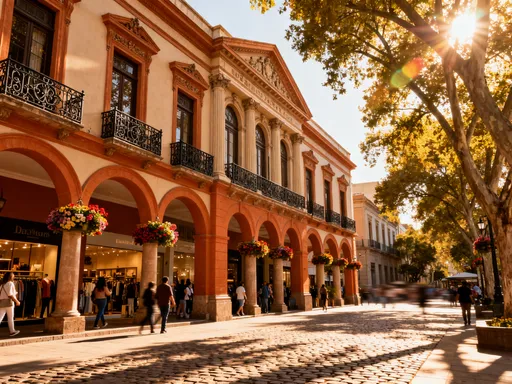
Just south of the center, tucked along the river’s curve, lies La Recoleta—a neighborhood that feels like a page from a European postcard. Tree-lined avenues, wrought-iron balconies, and French-inspired mansions speak to a bygone era of elegance and refinement. Once home to aristocrats and diplomats, the area retains a quiet dignity. Today, it’s a sanctuary for artists, academics, and families who value space, history, and a slower pace of life.
At the heart of La Recoleta is the Parque Loma de los Ángeles, a green oasis that serves as a community anchor. On any given afternoon, you’ll find grandparents pushing strollers, teenagers reading under trees, and dog walkers exchanging greetings. The park’s elevated position offers panoramic views of the river and the city skyline—a reminder that beauty doesn’t have to be loud to be powerful. On weekends, local musicians often perform, their melodies drifting through the air like whispers of joy.
Nearby, the Olmo Central neighborhood complements La Recoleta’s charm with its own cultural offerings. Small galleries showcase the work of Paraguayan painters and sculptors, often blending indigenous motifs with modern techniques. Weekend artisan markets pop up in quiet plazas, selling handwoven ao po’i textiles, clay pottery, and organic honey. These are not tourist traps—they’re genuine expressions of local creativity, where buyers and makers chat like neighbors. It’s here that you feel the soul of Asunción most clearly: proud, creative, and deeply rooted in community.
Street Life & Urban Beats in Obrero and Bañado Sur
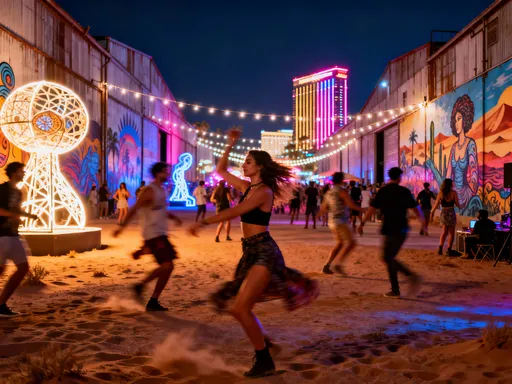
To understand the resilience and rhythm of Asunción, one must wander into neighborhoods like Obrero and Bañado Sur. These working-class communities, often overlooked by traditional tourism, pulse with authenticity. There’s no curated charm here—just life, raw and real. Colorful murals cover the walls, many painted by local youth as part of community art projects. They depict everything from Guarani legends to scenes of daily struggle and hope, turning alleyways into open-air galleries.
Corner kioskos—small family-run shops—are the social hubs of these neighborhoods. They sell everything from cold sodas to homemade snacks, and they’re where neighbors gather to share news, laugh, and watch the world go by. The scent of grilling meat, fresh herbs, and warm bread drifts through the air, especially in the late afternoon when families begin preparing dinner. Children play fútbol in open lots, their shouts blending with the distant beat of reggaeton from a passing car.
What’s striking is not the lack of wealth, but the abundance of spirit. Community centers run by local organizations offer after-school programs, art classes, and job training. Street musicians play with passion, not for coins, but for the joy of sharing music. These neighborhoods face challenges, yes—but they also radiate creativity, solidarity, and pride. To walk through them is to witness the true heartbeat of the city: unpolished, unstoppable, and deeply human.
Riverside Escape: The Charm of Costanera Norte
When the city’s energy builds, locals know where to go—the Costanera Norte, a scenic promenade that stretches along the Paraguay River. This ribbon of green and stone is Asunción’s favorite weekend retreat. At sunrise, joggers and cyclists claim the path, their footfalls quiet against the morning mist. By midday, families spread out on the grass, sharing packed lunches of chipa and fresh fruit. And as the sun begins its descent, the Costanera transforms into a stage for sunset watchers, street performers, and couples strolling hand in hand.
The views are nothing short of poetic. The river glows gold in the late light, and the skyline of Asunción softens into silhouette. Food kiosks offer grilled meats, coconut water, and traditional drinks like pira caldo and refresco de anís. Some spots have picnic tables; others are simply open spaces where people lay down blankets and linger. It’s not about luxury—it’s about togetherness. The Costanera is democratic in the best sense: everyone is welcome, from toddlers on tricycles to grandparents in folding chairs.
What makes this place special is how it brings the city together. You’ll see businesspeople in casual clothes, artists sketching the view, and tourists snapping photos alongside locals who’ve come here for decades. Street performers play folk music, dance traditional polkas, or juggle with practiced flair. There’s no admission fee, no agenda—just the simple pleasure of being present. In a world that often feels fragmented, the Costanera Norte is a reminder of what community looks like when it’s nurtured by shared space and shared joy.
Local Secrets: Off-the-Beaten-Path Gems I Stumbled Upon
Beyond the well-trodden routes, Asunción hides quiet treasures—places that don’t appear on maps but live in the hearts of those who know them. One afternoon, I turned down a narrow street in the neighborhood of Santísima Trinidad and found a small plaza shaded by a towering ceibo tree, Paraguay’s national flower. Beneath its red blossoms, a group of elders sat on wooden benches, swapping stories in a mix of Spanish and Guarani. A young woman recorded them on her phone, preserving voices that carry generations of memory. No signs, no plaques—just wisdom shared under the sun.
Not far away, tucked between a hardware store and a laundromat, was a tiny bakery with a hand-painted sign: “Doña Rosa—Sopa Paraguaya y Chipa.” Inside, the air was thick with the scent of cornmeal and cheese. The owner, a woman in her sixties with flour on her apron, served me a warm piece of sopa paraguaya on a paper plate. It was rich, savory, and unlike any version I’d tasted in restaurants—because it was made the way her grandmother taught her, with love and patience. There was no menu, no website, just a daily rhythm of baking and sharing.
These moments taught me the value of wandering without a plan. To discover Asunción’s secrets, you must move slowly, greet people with a smile, and accept invitations—whether it’s to try a homemade drink or join a neighborhood festival. Respect is key: ask before taking photos, speak gently, and listen more than you talk. The city reveals itself not to those who rush through, but to those who pause, observe, and connect. These hidden corners aren’t just places—they’re relationships waiting to be formed.
Conclusion: Why Asunción’s Districts Tell a Deeper Story
Asunción is not a city that reveals itself in a single visit. Each neighborhood—whether historic, modern, vibrant, or quiet—adds a new layer to its identity. From the colonial echoes of Manzana de la Rivera to the creative pulse of Obrero, from the refined calm of La Recoleta to the riverside joy of Costanera Norte, the capital is a living mosaic. It doesn’t fit neatly into tourist categories, and that’s its strength. It resists simplification because it is, at its core, deeply human.
What I learned most was the power of slow, intentional travel. In a world obsessed with checklists and photo ops, Asunción invites you to do less and feel more. It asks you to sit in a plaza, listen to a story, taste a meal made with care. It reminds us that cities are not just collections of buildings, but networks of relationships—between people, history, nature, and culture. To understand Asunción is to understand that progress and tradition can coexist, that resilience and beauty often grow in the same soil.
So if you ever find yourself in Paraguay, don’t just pass through. Check in—really check in. Let the city unfold at its own pace. Talk to a vendor, wander down an unknown street, share a glass of tereré with a local. Asunción doesn’t need to be loud to be unforgettable. It speaks in quiet moments, in shared smiles, in the way the river catches the light at dusk. And if you listen closely, you might just hear the story it’s been waiting to tell.