You Won’t Believe What Hides in Oman’s Heart—Culture Meets Nature in Nizwa
Nestled between rugged mountains and golden deserts, Nizwa, Oman, is where ancient traditions breathe through every stone and oasis. I went expecting history—I got soul-stirring landscapes, warm village welcomes, and cultural depth I never saw coming. This isn’t just a destination; it’s a living story where nature shapes heritage. If you’re chasing authenticity, Nizwa delivers in ways you can’t fake.
The Soul of Omani Culture – Nizwa’s Living Heritage
Nizwa stands as one of Oman’s most enduring cultural heartlands, where centuries of tradition are not preserved behind glass but lived with quiet pride in everyday moments. Known historically as a center of Islamic learning and scholarship, the city once hosted scholars whose influence extended across the Gulf and beyond. Even today, the call to prayer echoes from minarets that have stood for generations, and families gather in courtyards fragrant with frankincense and Omani coffee, brewed slowly in brass dallah pots. These rituals are not performances for visitors—they are rhythms of daily life, passed from mother to daughter, father to son, with reverence and consistency.
One of the most touching expressions of this living heritage is the Omani coffee ceremony, a symbol of hospitality deeply embedded in social interaction. When welcomed into a home, guests are offered coffee infused with cardamom, served in small handleless cups called hodain. The host pours with the right hand, often from a distance, demonstrating both skill and respect. Dates accompany the drink, balancing its bitterness with natural sweetness. This ritual is more than tradition—it is a language of warmth, a way of saying, “You belong here.” For travelers, especially women seeking meaningful connection, participating in such moments offers a rare glimpse into a society where dignity, modesty, and generosity are not ideals but lived values.
Equally significant is the role of traditional dress, which in Nizwa remains a quiet statement of identity. Women often wear colorful abayas adorned with intricate embroidery, their designs reflecting regional pride and family heritage. Men don the dishdasha, a long ankle-length garment, paired with the kumma (a embroidered cap) or the mussar, a finely woven turban. These garments are not relics of the past but daily choices, worn with ease and elegance. In a world where globalization often erases local identity, Nizwa’s commitment to cultural expression is both refreshing and inspiring. It invites visitors to slow down, observe, and appreciate the beauty of continuity.
Nizwa Fort – Where History Stands Tall
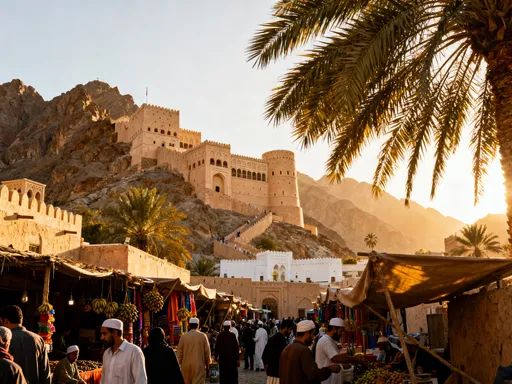
Rising from the edge of the city like a guardian of memory, Nizwa Fort is one of the most remarkable historical landmarks in the Arabian Peninsula. Built in the 17th century under the rule of Imam Sultan bin Saif, the fort was designed not only as a military stronghold but as a center of governance and community life. Its massive circular tower, known as the Bahlah Tower, dominates the skyline, a testament to Omani ingenuity in defensive architecture. Unlike many ancient forts that served only as battlements, Nizwa Fort was built to sustain life—housing granaries, water cisterns, prayer rooms, and living quarters for soldiers and leaders alike.
One of the most fascinating aspects of the fort is its sophisticated defense system. Hidden tunnels weave beneath the structure, allowing defenders to move unseen and launch surprise counterattacks. Narrow slits in the walls served as sniper points, while acoustic vents were ingeniously placed to amplify the sound of approaching enemies—guards could hear footsteps from a distance and prepare accordingly. These details reveal a culture that valued both strength and intelligence, where survival depended not just on courage but on thoughtful design. Families exploring the fort today can walk through dimly lit corridors, climb stone staircases, and emerge onto terraces offering panoramic views of the surrounding date palm plantations and mountain ridges.
What makes Nizwa Fort especially meaningful for modern travelers is its accessibility and authenticity. There are no timed entry tickets or crowded tour groups rushing through with headsets. Instead, visitors are free to explore at their own pace, guided by informational plaques and the occasional local historian eager to share stories. Children marvel at the old cannons, while adults pause to reflect on the lives once lived within these walls. The fort does not feel like a museum frozen in time—it feels alive, resonant with the echoes of decisions that shaped a nation. For women travelers interested in history and heritage, the fort offers a powerful reminder that leadership, strategy, and vision have long been part of Omani society, even in eras often misunderstood from afar.
The Friday Market – A Sensory Journey into Tradition
Every Friday morning, the heart of Nizwa beats louder. Farmers, artisans, herders, and traders pour into the city from surrounding villages, transforming the outskirts into a vibrant marketplace that pulses with energy and authenticity. The Nizwa Friday Market is not a tourist spectacle—it is a working market, a place where real commerce happens, rooted in community needs and rural livelihoods. The air hums with barter, laughter, and the occasional bleat of goats being weighed and sold. For visitors, especially those seeking genuine cultural exchange, this market is a treasure trove of sights, scents, and stories.
The market unfolds in sections, each dedicated to a different trade. One area overflows with fresh produce—crisp cucumbers, deep purple eggplants, sun-ripened tomatoes, and mountains of dates in varieties ranging from the sticky, caramel-like Khalas to the drier, nutty Fardh. Nearby, spice vendors display pyramids of saffron, cumin, turmeric, and dried limes, their colors glowing like jewels under the morning sun. The scent of frankincense hangs in the air, a fragrance so closely tied to Omani identity that it feels almost sacred. Women in colorful abayas browse slowly, touching produce with care, negotiating prices with familiar vendors who greet them by name.
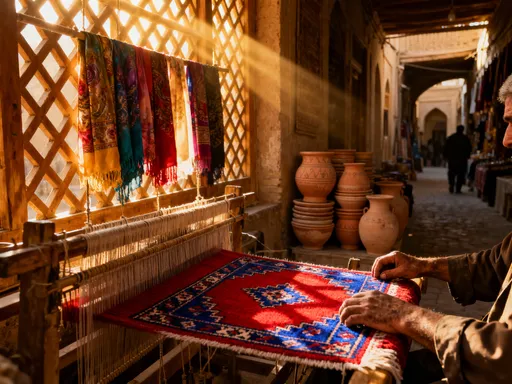
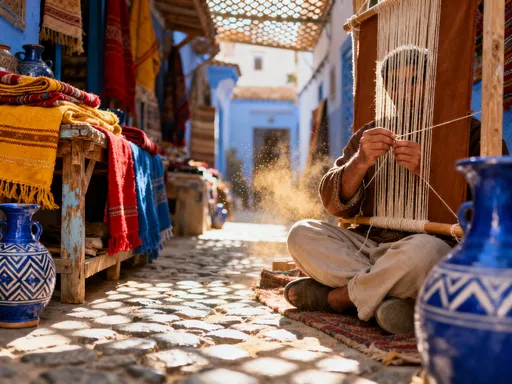
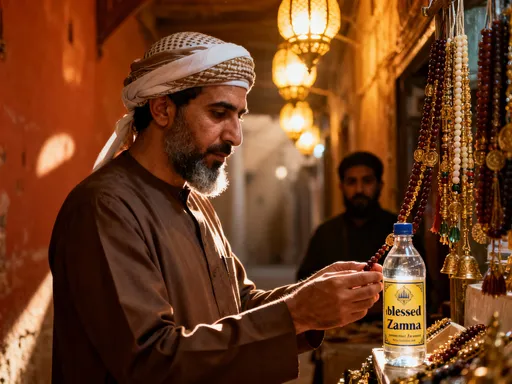
Another section draws crowds with the glint of handcrafted silver jewelry—belts, necklaces, and earrings forged using techniques passed down for generations. Artisans sit cross-legged behind low tables, hammering intricate patterns into metal with quiet focus. Watching them work is a lesson in patience and precision. Nearby, cattle auctions draw clusters of men in dishdashas, inspecting the build and health of goats and cows before bidding begins. The sound of voices rising in spirited negotiation blends with the clinking of silver and the rustle of palm fronds overhead. There is no artificial staging here—only the raw, beautiful messiness of real life unfolding.
For families and women travelers, the market offers more than shopping—it offers connection. A smile, a shared laugh over a stubborn goat, a spontaneous invitation to taste fresh camel milk—these are the moments that linger long after the visit. Vendors do not push sales; they engage with kindness, often offering samples or stories about their crafts. This is commerce with dignity, where relationships matter as much as transactions. By choosing to buy directly from these artisans and farmers, visitors contribute to sustainable livelihoods, supporting a tradition that might otherwise fade in the face of mass-produced alternatives.
Jebel Akhdar – The Green Mountain Escape
Rising over 2,000 meters above sea level in the Al Hajar mountain range, Jebel Akhdar—“The Green Mountain”—is a breathtaking contradiction to Oman’s desert image. Just a two-hour drive from Nizwa, this highland sanctuary bursts with terraced farms, cool breezes, and orchards heavy with pomegranates, walnuts, and apricots. In spring, the air fills with the delicate perfume of blooming roses, cultivated for essential oil production in a tradition that dates back centuries. For travelers seeking relief from the Gulf’s intense heat, Jebel Akhdar offers not just physical comfort but a profound sense of renewal.
The journey to Jebel Akhdar is an experience in itself. Winding roads cut through rocky canyons, revealing sudden vistas of emerald-green terraces clinging to steep slopes. These agricultural feats are made possible by the aflaj system—an ancient network of irrigation channels that divert mountain spring water to villages and fields. Recognized by UNESCO as a World Heritage practice, the aflaj system is a marvel of sustainable engineering, allowing communities to thrive in an otherwise arid landscape. Women in headscarves and long dresses work alongside men, harvesting crops and maintaining the stone walls that support the terraces. Their labor, though quiet, sustains both food security and cultural continuity.
Hiking trails crisscross the region, offering accessible routes for families and moderate treks for more adventurous travelers. The Saiq Plateau serves as a central hub, dotted with rustic guesthouses and family-run cafes serving honey tea and fresh bread. One popular trail leads to the abandoned village of Al Ayn, where stone homes built without mortar stand as silent witnesses to a resilient past. Children laugh as they explore the empty rooms, while adults pause to admire the craftsmanship and panoramic views. The silence here is deep, broken only by wind and birdsong—a rare gift in our noisy world.
Staying overnight in Jebel Akhdar allows visitors to experience the magic of clear, star-filled skies and crisp mountain mornings. Eco-lodges and boutique retreats have emerged in recent years, offering comfort without compromising the landscape. Many use solar power, collect rainwater, and source meals from local farms. These accommodations reflect a growing awareness of sustainable tourism, ensuring that the beauty of the region endures for future generations. For women seeking a peaceful, reflective escape, Jebel Akhdar offers space to breathe, think, and reconnect—with nature, with history, and with oneself.
Wadi Ghul – Nature’s Dramatic Masterpiece
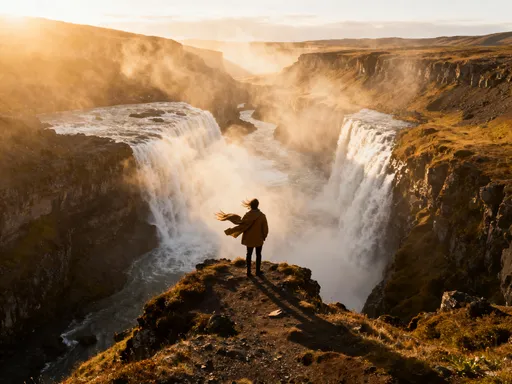
Just beyond the edge of civilization, Wadi Ghul carves a spectacular path through the Al Hajar Mountains, earning its nickname as the “Grand Canyon of Oman.” This dramatic gorge plunges over 1,000 meters into shadowed depths, its limestone walls sculpted by wind and water into jagged spires and smooth curves. Unlike manicured parks or guided nature reserves, Wadi Ghul remains largely untouched—a place of raw, untamed beauty that inspires awe and humility. For travelers willing to venture off the main roads, it offers one of the most unforgettable natural experiences in the country.
The drive into Wadi Ghul is narrow and winding, with sheer drops just beyond the edge of the road. Yet the danger is part of its truth—this is a landscape that demands respect. Along the way, small stone villages like Al Hamra cling to the mountainside, their homes built from local rock, blending seamlessly into the terrain. These communities have lived here for centuries, growing barley, raising goats, and drawing water from hidden springs. Their way of life is simple but resilient, shaped by isolation and self-reliance. Children walk miles to school, and elders sit in shaded courtyards, sipping tea and watching the light shift across the cliffs.
Hiking into the wadi reveals layers of geological and human history. Trails lead to abandoned terraces, ancient watchtowers, and hidden caves once used as shelters. The silence is profound, broken only by the occasional cry of a falcon circling overhead. In the early morning, mist curls through the canyons, softening the harsh lines of the rock. By midday, the sun illuminates the striations in the stone, revealing millions of years of Earth’s story in a single glance. For those seeking solitude and reflection, Wadi Ghul offers a rare opportunity to stand in the presence of something much larger than oneself.
Responsible visitation is crucial in preserving this fragile environment. Travelers are encouraged to leave no trace, avoid disturbing wildlife, and respect private property. Local guides from nearby villages often offer walking tours, sharing not only the geography but the stories of their ancestors. These guides—often men in their fifties or sixties—speak with quiet pride about their home, pointing out medicinal plants, hidden springs, and the best vantage points for sunset. By hiring them, visitors support the local economy and gain insights that no brochure could provide. Wadi Ghul is not a theme park—it is a living landscape, and treating it with reverence ensures it remains intact for generations to come.
Sustainable Encounters – Travel That Respects Culture and Land
As global travel grows, so does the responsibility to protect the places we visit. Nizwa and its surrounding regions offer a powerful example of how tourism can coexist with tradition and environmental stewardship. The key lies in mindful choices—small actions that, when multiplied, create meaningful impact. For women travelers and families, this means approaching the journey not as consumers but as guests, honoring local customs and supporting community-led initiatives.
Dress is one of the most visible ways to show respect. In Nizwa and rural areas, modest clothing is appreciated and often expected. Women should cover shoulders and knees, and carrying a light scarf can be both practical and respectful. Men should avoid shorts in villages. These guidelines are not about restriction but about harmony—about blending in rather than standing out. When visitors dress with consideration, they signal respect, and in return, they often receive warmer, more genuine interactions.
Supporting local economies is equally important. Instead of buying souvenirs from generic gift shops, seek out artisans at the Friday Market or cooperative stalls in Jebel Akhdar. Purchase honey from mountain beekeepers, rose water from village distillers, or handwoven baskets from elderly women in Al Hamra. These purchases go directly to the makers, preserving skills that might otherwise disappear. Choosing family-run guesthouses over international chains keeps tourism income within the community, fostering long-term sustainability.
Environmental care is another pillar of responsible travel. Oman’s landscapes are fragile—deserts recover slowly from tire tracks, and mountain ecosystems are easily disrupted. Stick to marked trails, carry reusable water bottles, and avoid single-use plastics. Many eco-lodges now provide filtered water stations, and local guides often emphasize the importance of leaving nature undisturbed. By modeling these behaviors, especially for children, families teach values of stewardship and respect that extend far beyond the trip itself.
Why Nizwa Changes How You See Travel
Nizwa does not dazzle with luxury resorts or adrenaline-fueled attractions. Instead, it offers something rarer: depth. It invites travelers to slow down, to listen, to notice the way sunlight falls on a stone wall, the way an elder smiles when offered coffee, the way a mountain village wakes at dawn. This is not a destination you check off a list—it is a place that stays with you, reshaping your understanding of what travel can be.
In Nizwa, culture and nature are not separate exhibits but intertwined realities. The fort rises from the same rock as the mountains. The market’s rhythms follow the seasons of the land. The people’s traditions are shaped by the climate, the terrain, the history of survival and faith. To visit is to witness a way of life that values balance, dignity, and connection. For women who seek meaningful experiences—whether traveling solo, with a partner, or with children—Nizwa offers a space to reflect, to learn, and to feel truly welcomed.
More than sightseeing, this journey becomes a form of quiet transformation. It reminds us that the world is still full of places where authenticity is not curated but lived. Where a handshake means trust. Where a shared meal builds bridges. Where the land tells stories if you take the time to listen. In an age of fast travel and filtered images, Nizwa stands as a testament to the enduring power of presence. It doesn’t shout for attention—it simply waits, patient and proud, for those ready to see with more than their eyes. And when you leave, you carry not just photos, but a deeper sense of what it means to belong, even if only for a moment.