You Won't Believe These Hidden Architectural Gems in Aswan
Aswan isn’t just about sunsets and Nile views—its architecture will stop you in your tracks. From ancient temples carved into rock to Nubian houses bursting with color, every corner tells a story. I was stunned by how much history lives in the stone and paint. If you're heading to Egypt, don’t just rush to the pyramids. Let me show you the real soul of Aswan through its breathtaking, often overlooked structures. This southern Egyptian gem offers a quieter, more intimate experience than Cairo or Luxor, yet it pulses with cultural depth. Its buildings do more than stand—they speak, whispering tales of pharaohs, traders, and families who shaped this land over millennia. Here, architecture is not merely functional; it’s symbolic, spiritual, and deeply human. In the following pages, we’ll explore how Aswan’s built environment reveals layers of identity, resilience, and beauty that few travelers fully appreciate.
Why Aswan’s Architecture Stands Out
Aswan’s architectural identity is unlike any other city in Egypt. While Cairo boasts grand Islamic mosques and Luxor unfolds in monumental temple corridors, Aswan presents a layered tapestry where Pharaonic, Nubian, and Islamic influences coexist in harmony. The city’s location at the first cataract of the Nile made it a historic gateway between Egypt and Nubia, fostering centuries of cultural exchange. This crossroads status is visible in its buildings—temples rise beside colorful domed homes, and Ottoman-era merchant houses stand near modern riverfront promenades. What truly sets Aswan apart is how naturally its structures blend with the environment. Buildings follow the contours of granite outcrops, nestle into riverbanks, and use locally quarried stone that mirrors the surrounding desert hues.
The climate has also played a crucial role in shaping Aswan’s architecture. With temperatures often exceeding 40°C (104°F) in summer, design solutions prioritize cooling and shade. Thick walls, small windows, and interior courtyards are common features, especially in traditional homes. These aren’t just aesthetic choices—they are intelligent adaptations to extreme heat, refined over generations. Even ancient temples were strategically oriented to minimize direct sunlight while maximizing airflow through columned halls. The use of natural materials like sandstone and mudbrick not only reduces thermal conductivity but also ensures that new constructions do not visually disrupt the landscape.
Cultural diversity further enriches Aswan’s built environment. The Nubian community, with roots stretching back thousands of years along the Nile, has preserved a distinct architectural language characterized by vibrant colors, domed roofs, and symbolic patterns. Their homes, often passed down through families, reflect both practical needs and spiritual beliefs. At the same time, Islamic architecture introduced minarets, geometric tilework, and shaded arcades, particularly in mosques and public buildings from the medieval period onward. This coexistence of styles isn’t chaotic—it’s a dialogue between eras and identities, each adding depth to the city’s character. For the observant traveler, walking through Aswan becomes an education in how people adapt, endure, and express themselves through stone, paint, and space.
Philae Temple: Engineering Meets Artistry
One of Aswan’s most breathtaking architectural achievements is the Philae Temple complex, a masterpiece of Ptolemaic design dedicated primarily to the goddess Isis. Originally located on Philae Island, the temple was once surrounded by water, accessible only by boat, enhancing its aura of sacred isolation. Its intricate carvings depict mythological scenes, royal processions, and celestial rituals, all executed with astonishing precision. The pylon gates, obelisks, and colonnaded halls reflect a fusion of Egyptian and Hellenistic styles, showcasing the artistic sophistication of the era. What makes Philae especially remarkable is not just its beauty, but its survival against overwhelming odds.
When the Aswan Low Dam was completed in 1902, the temple began to flood for several months each year. By the mid-20th century, it was submerged for most of the year, threatening irreversible damage. In response, UNESCO launched one of the most ambitious preservation projects in history. Between 1972 and 1980, the entire complex was dismantled into over 40,000 blocks, carefully labeled, and reassembled on higher ground at Agilkia Island, a nearby site chosen for its similar landscape. This unprecedented effort saved Philae from drowning and demonstrated the global value placed on cultural heritage.
Visiting Philae today is a journey into both ancient spirituality and modern engineering. As you approach by boat, the temple rises gracefully from the island, its pinkish granite glowing in the late afternoon light. Inside, the Hypostyle Hall with its lotus-shaped columns and ceiling inscriptions remains a highlight, as does the Kiosk of Nertabet, often called the “Pearl of Egypt” for its delicate proportions. The relocation did not diminish the site’s authenticity; rather, it enhanced accessibility while preserving its essence. For travelers, Philae offers a rare opportunity to witness how ancient artistry and contemporary science can work together to protect the past. It stands not only as a monument to Isis but as a symbol of human dedication to memory and meaning.
The Unseen Beauty of Nubian Villages
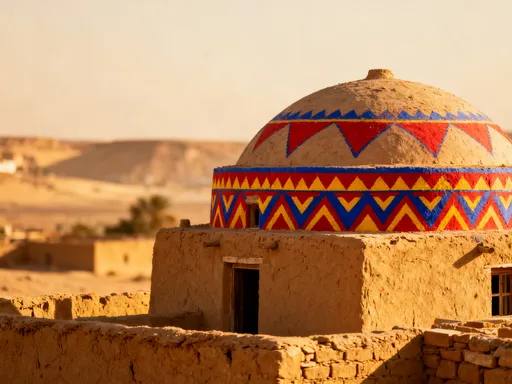
Beyond the well-trodden tourist paths lie the vibrant Nubian villages of Aswan, where architecture is both functional and profoundly expressive. Gharb Soheil, Kodak, and other riverside communities are home to families whose ancestors lived along the Nile for thousands of years. Their houses, with domed roofs and walls painted in bold geometric patterns, create a visual language unique to Nubian culture. Colors like cobalt blue, sunflower yellow, and deep red are not chosen randomly—they carry symbolic meanings, often representing protection, joy, or spiritual connection. Each home is a canvas, reflecting personal identity and communal pride.
The design of these homes is deeply rooted in environmental wisdom. The thick mudbrick walls provide excellent insulation, keeping interiors cool during the day and warm at night. The domed roofs, inspired by ancient building techniques, allow hot air to rise and escape through small vents, promoting natural ventilation. Courtyards serve as private gathering spaces, often shaded by grapevines or palm fronds, creating microclimates ideal for family life. Windows are small and high, reducing direct sunlight while allowing breezes to circulate. These features, refined over centuries, make Nubian homes some of the most climate-adaptive dwellings in the region.
Visiting these villages offers a rare chance to experience living culture rather than static monuments. Many families welcome guests into their homes, offering tea and stories in exchange for respectful curiosity. To ensure a positive experience, travelers should always seek permission before photographing people or homes. Hiring a local guide not only supports the community economically but also provides deeper insight into symbolism, traditions, and daily life. Some homes have been converted into guesthouses, allowing visitors to stay overnight and truly immerse themselves in Nubian hospitality. These interactions transform architecture from something to observe into something to feel, hear, and share—a living legacy written in color and form.
Abu Simbel’s Twin Temples: More Than Just a Tourist Stop
No discussion of Aswan’s architectural wonders would be complete without mentioning Abu Simbel, located about 280 kilometers south of the city. Though often visited as a day trip, these twin temples are architectural marvels that deserve thoughtful engagement. Built by Ramses II in the 13th century BCE, the larger temple features four colossal seated statues of the pharaoh, each over 20 meters tall, guarding the entrance. Inside, the grand hall leads to a series of chambers adorned with detailed reliefs depicting military victories and divine encounters. The smaller temple, dedicated to Queen Nefertari and the goddess Hathor, is equally impressive, with six standing figures—three of Ramses and three of Nefertari—of equal height, a rare honor for an Egyptian queen.
One of the most astonishing aspects of Abu Simbel is its solar alignment. Twice a year, on February 22 and October 22, sunlight penetrates the inner sanctuary, illuminating statues of Ramses II and three gods—except for Ptah, the god of the underworld, who remains in shadow. This precise astronomical calculation demonstrates the advanced knowledge of Egyptian architects and priests. When the temples were relocated between 1964 and 1968 due to the rising waters of Lake Nasser, engineers had to replicate this phenomenon as closely as possible. The new site was elevated and tilted slightly to preserve the solar event, a feat of modern engineering that honored ancient intent.
Despite its popularity, many visitors miss the deeper significance of Abu Simbel, rushing through on crowded tour buses. To experience it more meaningfully, consider arriving early in the morning or joining an evening sound-and-light show, which narrates the history with dramatic illumination. Alternatively, some local operators offer overnight stays in nearby eco-lodges, allowing guests to visit at quieter times. These moments—when the site is bathed in golden light and largely free of crowds—reveal the true power of the place. Abu Simbel is not just a photo opportunity; it is a statement of power, devotion, and cosmic order carved in stone, still resonating thousands of years later.
Aswan’s Ottoman and Colonial-Era Buildings
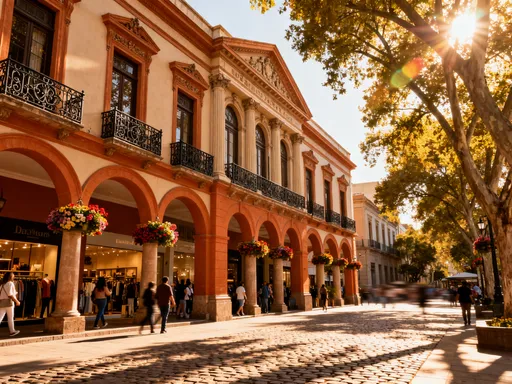
While ancient temples draw the most attention, Aswan’s urban fabric also holds quieter treasures from the Ottoman and colonial periods. Scattered throughout the older neighborhoods, particularly near the souq and along the river’s edge, are merchant houses and administrative buildings from the 18th to early 20th centuries. These structures reflect a different kind of elegance—one shaped by trade, diplomacy, and cross-cultural exchange. Wooden mashrabiya balconies, arched doorways, and ornate stucco work distinguish them from both ancient monuments and modern constructions. Their design blends Islamic architectural principles with European influences, particularly visible in the use of wrought iron railings and shuttered windows.
During the Ottoman era, Aswan was an important hub for goods moving between central Egypt and Sudan. Wealthy merchants built homes that showcased their status while providing comfort in the harsh climate. High ceilings, inner courtyards, and wind towers helped regulate temperature, while decorative tiles and carved wood added aesthetic refinement. Some of these houses still stand today, though many face threats from urban expansion and neglect. A few have been restored and repurposed as cultural centers or boutique guesthouses, offering a glimpse into a vanishing architectural tradition.
Colonial-era buildings, constructed during British influence in Egypt, introduced new materials like corrugated iron and concrete, yet many retained traditional layouts and shading techniques. The blend of function and style is evident in former government offices and residences that once housed European officials. Unlike the monumental scale of Pharaonic architecture, these buildings invite intimacy—their scale is human, their details personal. For travelers interested in architectural diversity, wandering the backstreets of Aswan reveals these hidden layers. Look for faded inscriptions, weathered wooden doors, and courtyards where jasmine vines climb ancient walls. These spaces may not be on postcards, but they are essential to understanding the full story of Aswan’s built environment.
Modern Design Meets Tradition Along the Corniche
Aswan’s riverfront, known as the Corniche, offers a fascinating contrast between old and new. Here, contemporary hotels, cafes, and public spaces line the Nile, creating a vibrant social corridor. What sets this area apart is how many modern developments incorporate traditional design elements. Rather than imposing glass towers, architects often use local sandstone, domed roofs, and shaded walkways to maintain visual continuity with the city’s heritage. Some luxury resorts blend seamlessly into the landscape, using low profiles and earth-toned materials to avoid disrupting the skyline. This thoughtful approach ensures that progress does not come at the cost of identity.
Sustainable design is increasingly shaping new construction along the Corniche. Solar panels, rainwater harvesting systems, and passive cooling techniques are being integrated into both public and private buildings. One notable example is a riverside cultural center that uses wind towers and reflective roofing to reduce energy consumption. These innovations echo traditional methods while embracing modern efficiency. The result is architecture that honors the past without being trapped by it. For visitors, this means enjoying modern comforts without losing the sense of place that makes Aswan special.
The Corniche also serves as a gathering place for locals and tourists alike. Benches shaded by palm trees, pedestrian pathways, and small kiosks create an inviting atmosphere for evening strolls. As the sun sets, the river glows gold, and the silhouettes of feluccas drift by, the harmony between nature and architecture becomes palpable. This balance—between innovation and tradition, public life and private space—is what makes Aswan’s modern architecture so successful. It does not shout for attention; instead, it listens—to the river, to the wind, to the whispers of history—and responds with quiet dignity.
How to Truly See Aswan’s Architecture Like a Local
To fully appreciate Aswan’s architectural richness, slow travel is essential. Rather than racing from temple to temple, allow time to wander, observe, and connect. Begin early in the morning when the light is soft and the streets are quiet. Start at the Aswan Museum, housed in a charming colonial villa, to gain context before exploring. Then walk along the Corniche toward the Nubian villages, stopping to admire details most overlook—the curve of a doorway, the pattern on a wall, the way sunlight hits a dome.
Hiring a local guide can transform your experience. Knowledgeable residents can explain the symbolism behind colors, point out hidden inscriptions, and share stories passed down through generations. Many guides specialize in architecture or cultural history, offering insights far beyond standard tour scripts. For a deeper immersion, consider spending a night in a Nubian homestay, where you can experience domestic architecture firsthand. Participate in daily routines—drinking tea in the courtyard, watching meals prepared in outdoor kitchens—and notice how design supports family life.
Underrated viewpoints also reveal new perspectives. Climb the small hill near the Aga Khan Mausoleum for a panoramic view of the city, the Nile, and Elephantine Island. From here, you can see how buildings follow the natural topography, clustering near water sources and avoiding harsh exposures. Another quiet spot is the old British Cemetery, where shaded pathways and modest stone markers offer a peaceful contrast to grander monuments. These places encourage reflection, inviting you to see Aswan not just as a destination, but as a living, evolving community shaped by centuries of wisdom.
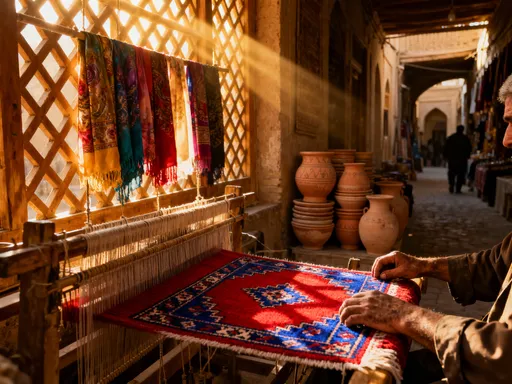
Finally, respect is key. Always ask before photographing people or private homes. Dress modestly when visiting villages or religious sites. Support local artisans by purchasing handmade crafts, which often feature traditional motifs linked to architectural design. By traveling with curiosity and care, you honor the people whose lives and labor have shaped this remarkable city.
Aswan’s architectural wonders aren’t just relics—they’re living expressions of resilience, identity, and artistry. By looking beyond the obvious, travelers gain a richer, more meaningful connection to Egypt’s cultural heart. Let your journey be guided by curiosity, respect, and wonder. In every stone, every color, every shadowed courtyard, there is a story waiting to be heard. These structures do not merely stand—they endure, teach, and inspire. To walk through Aswan is to walk through time, where past and present coexist in quiet harmony. Let your eyes linger, your steps slow, and your heart open to the quiet beauty that lies beneath the surface. In doing so, you don’t just see architecture—you feel it.