You Won’t Believe What Busan’s Shopping Districts Just Revealed
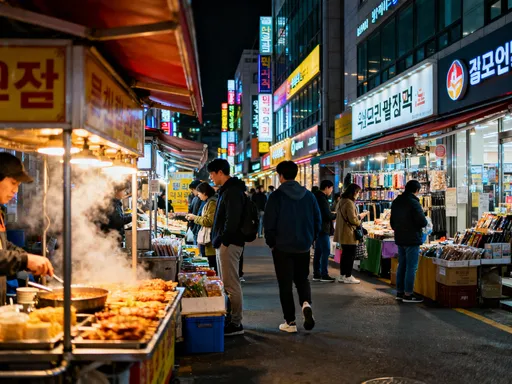
Busan isn’t just Korea’s seaside escape—it’s a retail playground hiding in plain sight. I walked through markets where the air smells like grilled seafood and fresh street fashion, and stumbled upon malls blending ocean views with designer boutiques. From neon-lit alleys to hidden local stalls, the city’s commercial zones offer way more than just shopping. If you think you know Korean urban culture, wait until you experience Busan’s vibrant commercial pulse—it’s dynamic, authentic, and totally unforgettable.
Why Busan’s Commercial Scene Stands Out
What makes Busan’s shopping experience distinct from other Korean cities is its rhythm—a blend of maritime energy, working-class roots, and modern reinvention. As South Korea’s second-largest city and a major international port, Busan has long served as a gateway for goods, ideas, and cultures. This history pulses through its markets and malls, where commerce feels alive, immediate, and deeply connected to daily life. Unlike the sleek, trend-forward atmosphere of Seoul’s Gangnam or Myeongdong, Busan’s retail spaces carry a sense of authenticity, shaped by generations of fishermen, traders, and small business owners.
The city’s coastal geography plays a crucial role in how its commercial districts operate. Many of the most popular markets are located near the water, where the morning catch arrives before dawn and shopping lanes stay open late into the humid nights. This proximity to the sea means that food, fashion, and function often intertwine—buying fresh squid at Jagalchi Market might be followed by sipping iced barley tea in a rooftop café overlooking cargo ships docking in the harbor. The flow of goods and people is constant, creating a commercial rhythm that feels organic rather than manufactured.
Another defining trait is accessibility. In Busan, high-end shopping coexists with bargain stalls and family-run shops that have operated for decades. You won’t find rigid zoning or sterile retail environments; instead, the city embraces a layered, sometimes chaotic charm. Narrow alleys lead to underground arcades, rooftop markets sit above parking garages, and pop-up vendors appear beside luxury boutiques. This mix reflects Busan’s identity—a city that values both tradition and innovation, and where shopping is as much about experience as it is about acquisition.
For visitors, especially those in their 30s to 50s who appreciate cultural depth and practical convenience, Busan offers a refreshing alternative to more polished urban destinations. The city doesn’t cater solely to tourists or luxury seekers. Instead, it invites participation—whether that means bartering for silk fabric, sharing a table with locals at a market food stall, or discovering a handcrafted accessory in a tucked-away boutique. This authenticity is not staged; it’s woven into the daily fabric of life.
Jagalchi Market: Where Tradition Meets Daily Life
Jagalchi Market is more than a destination—it’s a living institution. As Korea’s largest seafood market, it has been the heart of Busan’s culinary and commercial life for over a century. Located just steps from the waterfront, the market buzzes from early morning until late afternoon, drawing locals doing their grocery shopping and curious travelers eager to witness the spectacle. The moment you step inside, the scent of salt, ice, and fresh fish fills the air. Rows of stainless steel counters display glistening mackerel, live octopus writhing in shallow tubs, and towering pyramids of shellfish arranged like jewels.
What sets Jagalchi apart is its dual role as both marketplace and dining destination. Visitors can purchase seafood by the piece or weight and then take it directly to one of the many on-site restaurants, where chefs prepare it within minutes. Sitting at a counter overlooking the harbor, you might be served a platter of hoe—thinly sliced raw fish—accompanied by spicy gochujang sauce, sesame oil, and crisp seaweed wraps. The experience is immersive, connecting the diner directly to the source of the meal in a way few cities allow.
For families and women traveling independently, Jagalchi offers a safe, well-organized environment with clear signage and multilingual staff in many areas. While the energy is intense, the layout is intuitive, with different sections dedicated to live fish, dried seafood, prepared dishes, and souvenirs. Vendors are accustomed to tourists and often gesture or use simple English to communicate prices. Bargaining is not customary here—prices are typically fixed, especially for pre-packaged items—but the value is excellent, particularly for dried anchovies, seaweed, and vacuum-sealed fish roe, which make excellent gifts.
Beyond the food, Jagalchi reflects the resilience and pride of Busan’s fishing communities. Many of the vendors are women, often referred to as “haenyeo” in spirit if not by profession—divers and traders who have long played a central role in coastal economies. Their presence adds a layer of cultural richness, reminding visitors that this market is not a performance but a continuation of daily life. For those interested in heritage and sustainability, Jagalchi offers quiet lessons in resourcefulness, seasonality, and community stewardship.
Gukje Market & The Old Money Trail
Just a short walk from Nampo-dong Station lies Gukje Market, a sprawling network of covered alleys that has evolved from a postwar black market into one of Busan’s most vibrant shopping zones. Its name, meaning “International Market,” hints at its origins—after the Korean War, it became a hub for surplus goods, textiles, and imported items brought in through the port. Today, it remains a treasure trove of affordable fashion, accessories, home goods, and seasonal specialties. What makes Gukje special is its layered history: beneath the neon signs and modern storefronts, the spirit of resilience and enterprise still thrives.
The market is divided into sections, each with its own character. One alley specializes in hanbok fabrics and accessories, where you can find silk ribbons, embroidered patches, and even vintage wedding garments. Another section is dedicated to everyday wear—cotton blouses, wool scarves, and children’s clothing at prices far below department store rates. For fans of K-pop and Korean dramas, there are stalls selling fan merchandise, lightsticks, and replica costumes. While some items are mass-produced, others are handmade or customized on-site, offering a personal touch that larger retail chains cannot match.
Navigating Gukje requires a bit of strategy. The alleys can be narrow and crowded, especially on weekends, so it’s wise to visit in the morning or on a weekday to avoid the thickest crowds. Cash is still preferred in many stalls, though mobile payment options like Samsung Pay and KakaoPay are increasingly accepted. Bargaining is common and expected in most non-branded shops, but it should be done politely—smiling and asking “Can you give a better price?” in broken English often works better than aggressive negotiation.
One of the market’s hidden charms is its connection to older generations. Many shop owners have worked here for decades, and some are second- or third-generation vendors. They remember customers by face and often offer tea or small samples as a gesture of hospitality. For women in their 30s to 50s, this personal interaction can be deeply rewarding—shopping here feels less like a transaction and more like a conversation. Whether you’re buying a hand-sewn quilt, a set of ceramic bowls, or a warm winter coat, the experience carries emotional weight.
Adjacent to Gukje is the BIFF Square, named after the Busan International Film Festival. This pedestrian zone comes alive in the evenings with street food vendors, live music, and pop-up art displays. It’s a perfect place to rest after a morning of shopping, grab a sweet hotteok (filled pancake), and soak in the city’s creative energy. Together, Gukje Market and BIFF Square form a cultural corridor that honors the past while embracing the present.
Shinsegae Centum City: The Mega Mall That Changes Everything
If Gukje Market represents Busan’s grassroots commerce, Shinsegae Centum City embodies its modern ambition. Recognized by the Guinness World Records as the largest department store in the world, this architectural marvel spans over 3.16 million square feet and houses everything from high-end fashion to indoor theme parks. Located in the Haeundae district, the mall is a destination in itself—a climate-controlled universe where shopping, dining, entertainment, and wellness converge.
Walking into Shinsegae is an experience of controlled opulence. The atrium soars several stories high, flooded with natural light from a glass ceiling. Luxury brands like Gucci, Prada, and Burberry occupy prime spaces on the upper floors, while the lower levels cater to families with children’s boutiques, toy stores, and interactive displays. What makes Shinsegae exceptional is not just its size but its integration of lifestyle services. The mall includes an indoor spa, a golf simulator, a library, and even a small ice-skating rink. For visitors seeking comfort and convenience, especially during rainy or extremely hot days, this is a sanctuary.
One of the standout features is the food court on the upper floors, which offers panoramic views of Haeundae Beach and the surrounding cityscape. Here, you can choose from dozens of Korean and international dishes—kimchi jjigae, bibimbap, Japanese ramen, or French pastries—all prepared with high-quality ingredients. Many of the restaurants use fresh produce and seafood sourced from local markets, maintaining a subtle link to Busan’s culinary roots even within this ultra-modern setting.
To make the most of a visit, timing is essential. Weekends and holidays bring the largest crowds, particularly in the afternoon. For a more relaxed experience, aim for weekday mornings or late evenings. The mall offers VIP services for international shoppers, including tax-free purchases, luggage storage, and multilingual concierges who can assist with recommendations and reservations. These services are especially helpful for older visitors or those unfamiliar with Korean retail customs.
Shinsegae also reflects a broader trend in Korean consumer culture—the blending of retail with experience. Shopping is no longer just about acquiring goods; it’s about spending time, creating memories, and indulging the senses. For women who value both practicality and pleasure, the mall offers a balanced mix: you can buy a designer handbag, enjoy a facial at a luxury spa, and end the day with a glass of wine at a rooftop bar, all under one roof. It’s a testament to how Busan has evolved into a city that honors tradition while embracing global sophistication.
Haeundae’s Upscale Urban Mix
Haeundae Beach is one of Korea’s most famous shorelines, drawing millions of visitors each summer. But beyond the sand and surf lies a sophisticated urban landscape where leisure and luxury coexist. The streets surrounding the beach are lined with high-end boutiques, boutique hotels, art galleries, and designer cafes. This is where Busan’s affluent residents come to relax, socialize, and shop—away from the tourist-heavy zones of the city center.
The retail scene in Haeundae is curated and understated. Unlike the bold signage and crowded stalls of Gukje Market, stores here favor minimalist design, neutral tones, and quiet elegance. You’ll find brands specializing in linen clothing, handmade ceramics, organic skincare, and artisanal coffee—items that reflect a lifestyle of calm and intentionality. Many shops are owner-operated, with personalized service and a focus on sustainability. For women who appreciate quality over quantity, Haeundae offers a refreshing alternative to mass-market shopping.
One of the most charming aspects of the neighborhood is its seasonal rhythm. In summer, the focus is on swimwear, sun hats, and beach accessories. By autumn, stores transition to wool coats, leather bags, and warm-toned home decor. This sensitivity to nature’s cycles creates a sense of harmony between commerce and environment. Some boutiques even host small events—tea tastings, calligraphy workshops, or evening wine pairings—that deepen the connection between customer and brand.
For those seeking a more intimate experience, side streets like Dongbaek-ro and Marine City offer quieter strolls with stunning ocean views. Here, you might stumble upon a hidden bookstore, a jewelry studio using recycled silver, or a café serving matcha made from imported Japanese powder. These discoveries feel personal, as if the city is sharing a secret. Even during peak seasons, it’s possible to find peaceful corners where the pace slows and the mind unwinds.
Haeundae also exemplifies Busan’s commitment to walkability and public space. Wide sidewalks, shaded benches, and well-maintained bike paths make it easy to explore on foot. The area is well-served by public transit, including the Busan Metro and frequent city buses, making it accessible without the need for a car. For families and older travelers, this infrastructure adds a layer of comfort and safety, allowing for full days of exploration without fatigue.
Seomyeon: The Beating Heart of Youth Culture
If Haeundae represents Busan’s refined side, Seomyeon is its energetic core. As the city’s busiest intersection and a major transportation hub, Seomyeon pulses with the rhythm of students, office workers, and trendsetters. The area is anchored by two large department stores—Lotte Department Store and NC Department Store—but the real action happens underground and in the narrow alleys branching off the main plaza.
The underground shopping arcades are a labyrinth of fashion, beauty, and snacks. Young women flock here for the latest K-fashion trends—oversized blazers, pleated skirts, two-tone hair dye kits, and minimalist sneakers. Prices are lower than in major malls, and many stores offer same-day alterations or free styling advice. Makeup shops feature the newest K-beauty innovations, from cushion compacts to sheet masks infused with snail mucin or green tea extract. For visitors interested in skincare routines, this is a prime spot to observe and participate in Korea’s beauty culture firsthand.
Seomyeon is also known for its 24-hour energy. Dessert cafes stay open past midnight, serving bingsu (shaved milk ice) topped with mango, red beans, or cheesecake crumbs. Street performers—singers, dancers, magicians—draw crowds in the evenings, turning the plaza into an impromptu stage. For women who enjoy observing urban life, this is a fascinating place to sit, sip a latte, and watch the city unfold in real time.
Despite its youthful vibe, Seomyeon remains family-friendly and safe. Security personnel patrol regularly, and the area is well-lit and monitored. Public restrooms are clean and equipped with amenities like hand dryers, sanitary bins, and baby-changing stations. For older visitors, the mix of nostalgia and novelty can be appealing—seeing young people embrace trends that echo past decades, yet with a distinctly modern twist.
One underrated aspect of Seomyeon is its role as a cultural barometer. The products that sell here often predict national trends. A new hair color, a viral TikTok fashion hack, or a limited-edition sneaker drop will appear in Seomyeon long before it reaches other cities. For those interested in social dynamics and consumer behavior, the district offers a real-time lesson in how culture spreads and evolves.
From Markets to Malls: Navigating Busan’s Commercial Rhythm
Understanding Busan’s shopping landscape means recognizing that each district operates on its own tempo. Jagalchi Market wakes early, with vendors setting up before 6 a.m. and peak activity between 8 and 11 a.m. Gukje Market stays busy throughout the day, but the best bargains often appear in the late afternoon as shop owners look to clear inventory. Shinsegae Centum City is busiest on weekends, especially between noon and 6 p.m., while Seomyeon buzzes from morning until midnight.
To navigate efficiently, public transit is your best ally. Busan’s metro system is clean, reliable, and well-connected. Lines 1 and 2 serve all major shopping districts, with clear English signage and automated announcements. A T-money card, available at convenience stores, allows seamless transfers between buses and subways. For longer distances, taxis are affordable and drivers are generally honest, though it’s wise to have your destination written in Korean to avoid miscommunication.
When it comes to payment, credit cards are widely accepted in malls and larger stores, but cash is still king in markets and small shops. ATMs at convenience stores like CU or GS25 dispense cash in foreign currencies and are available 24/7. It’s recommended to carry a mix of bills—small denominations for snacks and souvenirs, larger ones for bigger purchases.
Pack light and wear comfortable shoes. Busan’s shopping districts involve a lot of walking, often on uneven surfaces. A collapsible tote bag is useful for carrying purchases, especially in markets where plastic bags may not be provided. Sunscreen and a reusable water bottle are also wise, particularly in summer when humidity levels rise.
Finally, embrace the rhythm. Let yourself be guided by the flow of the city—pause for a meal when the smell of grilled squid pulls you in, linger in a shop where the owner offers you tea, and allow time for unplanned discoveries. Busan’s commercial areas are not meant to be rushed. They are meant to be felt, experienced, and remembered.
Conclusion
Busan’s commercial areas aren’t just places to spend money—they’re windows into the city’s soul. Whether you're sipping makgeolli in a back-alley stall or window-shopping in a sky-lit emporium, you’re part of a living economy shaped by history, hustle, and heart. This is retail with rhythm, culture with movement—and a reason to come back, again and again. Each district tells a story: Jagalchi of the sea’s bounty, Gukje of postwar resilience, Shinsegae of modern ambition, Haeundae of quiet luxury, and Seomyeon of youthful energy. Together, they form a tapestry of commerce that is as diverse as it is cohesive.
For women who value authenticity, comfort, and meaningful experiences, Busan offers a rare balance. You can shop with purpose, eat with pleasure, and explore with curiosity—all in a city that feels both vibrant and grounded. There are no staged performances or artificial attractions. Instead, there is a genuine warmth, a sense of inclusion, and a respect for the everyday rituals that make life rich.
So come not just to buy, but to belong. Let the rhythm of the markets guide you, the kindness of the vendors welcome you, and the beauty of the coastline inspire you. Busan doesn’t just reveal its secrets to visitors—it shares them, one conversation, one meal, one purchase at a time. And that, perhaps, is the most valuable thing you can take home.