You Won’t Believe These Hidden Natural Wonders Near Wrocław
When you think of Wrocław, Poland, historic market squares and cute bridges over the Oder River probably come to mind—but what if I told you wild forests, secret islands, and untouched nature hide just beyond the city’s charming streets? I was stunned to discover how close raw, breathtaking nature is to this urban gem. This isn’t just a city break—it’s a gateway to natural wonders most travelers completely overlook. Just minutes from bustling plazas, you can find silent woodlands, meandering river trails, and islands where time seems to stand still. Wrocław offers a rare harmony between urban life and unspoiled landscapes, making it one of Europe’s most unexpectedly green cities. The journey into its natural heart begins the moment you step off the cobblestones and follow the whisper of the river.
Wrocław’s Green Paradox: A City Embraced by Nature
Wrocław stands as a remarkable example of urban planning in harmony with the natural world. Unlike many European cities where nature is an afterthought, Wrocław was shaped by water and greenery from its earliest days. The Oder River, with its intricate network of branches and tributaries, splits the city into over 100 islands, creating a landscape more reminiscent of Venice than a Central European metropolis. Yet, rather than being tamed into rigid channels, much of this watery maze remains soft-edged, with reed-lined banks and tree-shaded inlets that invite quiet exploration. This abundance of waterways supports a rich ecosystem, making Wrocław one of the continent’s greenest urban centers by land coverage.
More than 30% of the city’s area consists of parks, forests, and protected natural zones. This is not merely decorative green space, but functional, biodiverse habitat. The city’s urban forest, known locally as the Wrocław Forest, extends for miles along the southern and western edges, offering trails, wildlife corridors, and seasonal foraging grounds. Combined with over 50 officially designated parks, this green infrastructure serves both ecological and social purposes—filtering air, moderating temperatures, and providing residents with accessible sanctuaries for relaxation and recreation. The integration of nature into daily life is so seamless that many locals take it for granted, biking to work through tree-lined avenues or strolling along riverbanks without realizing how exceptional their environment truly is.
What makes Wrocław’s green identity even more unique is its historical continuity. Many of the city’s parks and wooded areas have existed for centuries, evolving from royal hunting grounds or monastic gardens into public spaces. This long-standing respect for green space has been preserved through thoughtful urban development, with new construction projects often required to incorporate green roofs, tree preservation plans, or pedestrian access to natural areas. As a result, the city has avoided the concrete sprawl seen in many post-industrial centers. Instead, it thrives as a model of sustainable urban living, where nature is not a luxury but a fundamental part of city life. For visitors, this means that even a short walk from the central Rynek can lead to moments of genuine wilderness.
Ostrów Tumski & the River’s Hidden Edges
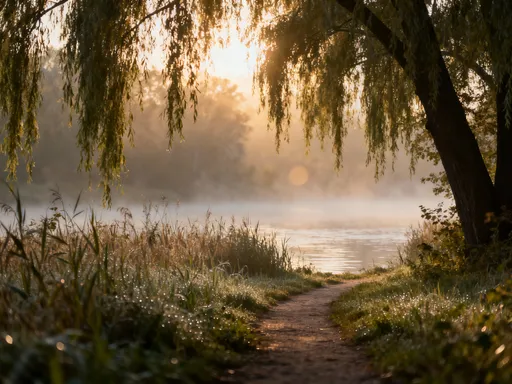
Ostrów Tumski, often referred to as Cathedral Island, is one of Wrocław’s oldest and most historically significant districts. Home to the city’s first cathedral and a center of religious life since the 10th century, it exudes a solemn grace. Yet beyond its stone arches and Gothic spires lies a quieter, more natural dimension—one that many tourists miss entirely. Along the quieter branches of the Oder that flank the island, the city’s noise fades into the rustle of leaves and the soft lap of water against the shore. Here, willow trees drape their branches into the river, their reflections trembling in the current, while kingfishers dart between reeds and herons stand motionless in shallow eddies.
The footpaths that trace these lesser-known riverbanks offer a meditative experience. Unlike the main promenades crowded with tourists, these trails are frequented mostly by locals—joggers, dog walkers, and elderly couples enjoying afternoon strolls. The path along the northern edge of Ostrów Tumski, near the Archdiocesan Museum, winds through shaded groves where sunlight filters through the canopy in golden patches. In spring, wild garlic blooms along the trail, releasing its pungent, earthy scent into the air. In autumn, the ground becomes carpeted with fallen leaves, their crunch underfoot a satisfying counterpoint to the river’s quiet murmur. It’s easy to forget you’re still within city limits.
What makes this area so special is its duality—the coexistence of deep history and untouched nature. One moment you’re passing the 13th-century St. Mary Magdalene Church, its stone walls worn smooth by time, and the next you’re watching a family of ducks paddle through a secluded backwater. The river here moves slowly, almost lazily, creating calm pools where aquatic plants take root and dragonflies hover in the warm air. Benches placed at intervals invite pause and reflection, offering views of the water framed by overhanging branches. For those seeking a moment of peace amid a busy itinerary, Ostrów Tumski’s hidden edges provide a sanctuary that is both serene and deeply rooted in place.
Szczytnicki Park: Where History Meets Wild Greenery
Szczytnicki Park is one of Wrocław’s most beloved green spaces, renowned not only for its beauty but for its layered history. Established in the 19th century, it was once a private estate before being transformed into a public park in the early 20th century. Today, it spans over 100 hectares and serves as a living mosaic of cultivated gardens and wilder, untamed zones. At its heart lies the famous Japanese Garden, created in 1913 for the Centennial Exhibition. With its arched bridges, koi-filled ponds, and carefully placed stone lanterns, it remains a place of contemplation and aesthetic harmony. Yet beyond this manicured core, the park opens into expansive woodlands, meadows, and quiet groves where nature is allowed to thrive with minimal intervention.
The seasonal rhythm of Szczytnicki Park is one of its greatest charms. In early April, the cherry blossoms explode into clouds of pink and white, drawing crowds for quiet admiration beneath their fragile boughs. By May, the rhododendron garden bursts into color, with vibrant purples, reds, and pinks creating a floral tapestry. Summer brings dense foliage and cool shade, making the park a refuge from the city’s heat. Autumn, however, may be the most magical time—when the maple, oak, and beech trees turn the landscape into a mosaic of amber, crimson, and gold. Morning fog often lingers in the low-lying areas, adding a dreamlike quality to the early walks.
Locals use Szczytnicki Park not just for leisure but for rejuvenation. Parents push strollers along paved paths, students read under trees, and elderly residents practice tai chi near the water’s edge. The park also hosts cultural events, from outdoor concerts to botanical exhibitions, all while maintaining a sense of calm. Unlike more commercialized urban parks, Szczytnicki resists overcrowding, thanks to its size and thoughtful layout. It is a place where one can feel simultaneously connected to the city and removed from it. For visitors, a morning walk here—perhaps with a thermos of tea and a notebook—can set the tone for a day of mindful exploration.
The Secret Islands: Piaskowa and Słodowa’s Untamed Side
Among Wrocław’s most enchanting natural features are its river islands, many of which remain surprisingly undeveloped. Two of the most atmospheric are Piaskowa Island and Słodowa Island, both located just south of the city center. Unlike the more famous Sand Island, which hosts festivals and sports facilities, these two retain a wild, almost forgotten character. Piaskowa, whose name means “Sandy Island,” lives up to its name with soft, pale pathways that crunch underfoot and clearings where sunlight filters through sparse trees. It feels more like a riverside dune than an urban park, with hardy grasses and wildflowers clinging to the sandy soil.
Słodowa Island, slightly larger and more overgrown, offers a different kind of solitude. Once used for agriculture and later neglected, it has been reclaimed by nature. Brambles, elderberry bushes, and young birch trees form dense thickets, while open meadows buzz with bees and butterflies in summer. The island is a haven for birds—skylarks sing from the treetops, and woodpeckers drum in the deeper woods. A network of narrow footpaths loops through the interior, some marked, others worn by frequent use. There are no benches, no trash cans, and no signs—just the quiet assurance that you’ve stepped into a space where human presence is light and temporary.
Accessing these islands is simple yet feels like a small adventure. Piaskowa can be reached via a footbridge near the Wrocław Zoo, while Słodowa is best approached from the southern end of Szczytnicki Park. Both are walkable from the city center in under 20 minutes, yet they feel worlds apart. Cyclists often ride across, locking their bikes at the edge before disappearing into the green. In spring, visitors might spot frogspawn in temporary puddles; in autumn, the crunch of acorns underfoot signals the season’s change. These islands are not tourist attractions in the conventional sense—they are spaces of quiet, unscripted discovery, perfect for those who appreciate nature in its simplest, most authentic form.
Wrocław’s Wild Backyard: The Sobótka Forest and Nearby Nature Reserves
While Wrocław’s inner green spaces are impressive, the true wilderness begins just beyond the city’s southern border. A short train or bus ride away lies the Sobótka Forest, part of the larger Sudeten Foreland, where dense woodlands, rolling hills, and crystal-clear streams create a landscape of quiet majesty. This area, historically used for timber and grazing, is now protected for its ecological value. Trails wind through beech and spruce forests, crossing wooden footbridges over babbling brooks. In spring, the forest floor blooms with wood anemones and wild garlic; in autumn, the air fills with the scent of damp earth and fallen leaves.
Even more remarkable is the Barycz Valley Landscape Park, located about an hour’s drive southwest of Wrocław. One of Poland’s most important wetland areas, it spans over 6,000 hectares of floodplains, oxbow lakes, and reed beds. The park is a paradise for birdwatchers, hosting over 250 species, including white storks, great egrets, and the elusive black tern. Wooden observation towers rise above the marshes, offering panoramic views across the water. Guided tours are available, but many visitors prefer to explore independently via the well-marked cycling and walking trails that crisscross the reserve.
Reaching these areas is straightforward. The Sobótka Hills are accessible by regional train to Sobótka or Jelenia Góra, followed by a short walk or local bus ride. The Barycz Valley can be reached by car or organized tour, with parking available at key entry points. The best times to visit are early morning or late afternoon, when wildlife is most active and the light is soft and golden. Spring and summer offer lush greenery and blooming flora, while autumn brings migratory birds and vibrant foliage. Winter, though quieter, has its own beauty—frozen marshes, frost-covered reeds, and the occasional track of a fox or deer in the snow. These destinations remind us that Wrocław is not just a city, but a gateway to some of Central Europe’s most pristine natural landscapes.
Seasonal Magic: How Nature Changes Around Wrocław
The natural world around Wrocław is never static—it transforms with each season, offering a new palette of experiences throughout the year. Winter, though cold, brings its own quiet beauty. The Oder River sometimes freezes at the edges, and frost coats the reeds along the banks in delicate silver. Evergreen pines in the city’s parks stand out against the snow, and the footprints of birds and small mammals mark the untouched ground. It’s a time for bundled-up walks, hot tea in thermoses, and the peaceful stillness that only a snowy landscape can provide.
Spring arrives tentatively at first, then bursts forth with energy. Riverbanks come alive with crocuses and snowdrops, followed by daffodils and wild violets. The trees begin to bud, and soon the city is awash in the soft pinks and whites of blooming fruit trees. This is the best time for slow walks through Szczytnicki Park or along the Oder’s quieter tributaries, where the air hums with returning insects and birdsong grows louder each day. By late spring, the meadows outside the city explode with color—yellow rapeseed fields, purple lupines, and wild poppies painting the countryside.
Summer brings long days and lush greenery. The rivers become playgrounds for kayakers and paddleboarders, while the forests offer cool shade for hikers. Evening strolls along the river are particularly delightful, with the golden light reflecting off the water and the sound of cicadas filling the air. It’s also the season for outdoor festivals held in natural settings, from music performances in the Japanese Garden to open-air theater in the woods. Autumn, perhaps the most poetic season, transforms the city’s parks into a tapestry of red, orange, and gold. The air grows crisp, and the scent of woodsmoke drifts from nearby chimneys. It’s a time for reflection, for long walks with a camera or journal, and for savoring the fleeting beauty of change.
How to Explore Responsibly and Like a Local
To truly appreciate Wrocław’s natural wonders, it’s essential to visit with respect and mindfulness. Locals have long understood that these spaces are fragile and must be preserved. One of the simplest ways to honor this is by observing quiet hours, especially in the early morning and late evening when wildlife is most active. Avoid loud conversations, music, or sudden movements that could disturb birds or small animals. Stick to marked trails to prevent soil erosion and protect delicate plant life. If you bring food, carry out all waste—many of these areas do not have regular trash collection.
Transportation choices also matter. Wrocław has an excellent public transit system, including trams and buses that reach most major parks and river access points. For shorter trips, biking is ideal—many trails are bike-friendly, and rental stations are widely available. Cycling not only reduces your carbon footprint but allows you to move quietly through nature, enhancing the experience. If driving to more remote areas like the Barycz Valley, park only in designated areas and avoid blocking rural roads.
Wildlife viewing should always be passive and respectful. Use binoculars rather than approaching animals closely. Never feed birds or mammals, as this disrupts their natural behavior and diet. If you’re photographing nature, avoid trampling plants or moving branches for a better shot. Above all, embrace the idea of slow travel—spend time in one place, observe the details, and let the landscape reveal itself gradually. By following these principles, you help ensure that Wrocław’s hidden natural wonders remain pristine for future generations. The beauty of these places lies not in grand spectacle, but in their quiet, enduring presence just beyond the city’s edge.
Wrocław’s true magic isn’t just in its pastel buildings or famous dwarves—it’s in the rustle of leaves on a hidden island, the call of kingfishers along the Oder, and the quiet trails just minutes from the city center. These natural wonders remind us that adventure doesn’t always require far-flung destinations. Sometimes, all it takes is a shift in perspective to see the wild beauty quietly thriving in plain sight. By stepping off the beaten path and into the green embrace of this remarkable city, travelers discover not only nature’s resilience but their own capacity for wonder. In Wrocław, the wild is not distant—it is waiting, just around the next bend in the river.